
Why You Need an Eye Exam Even If Your Vision Seems Perfect
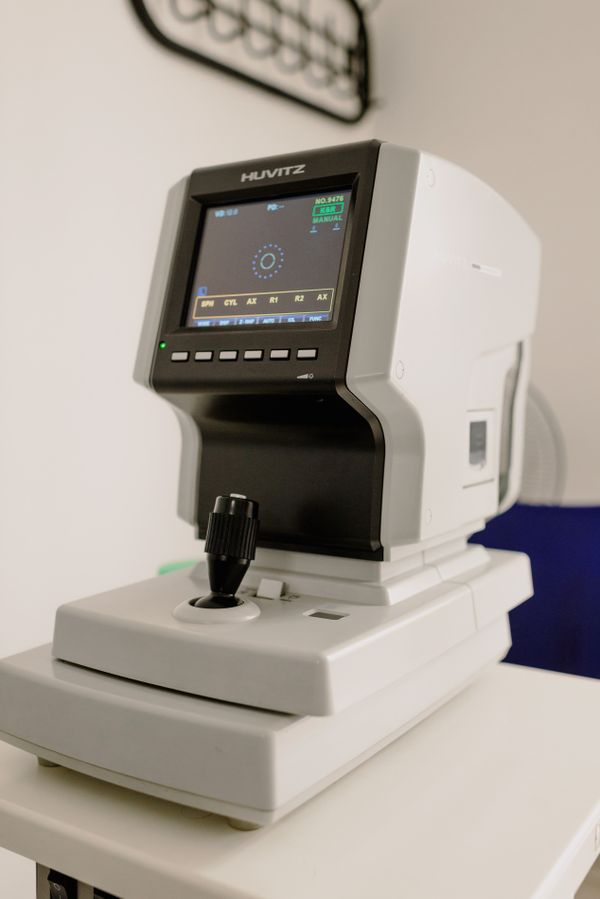
I can read the fine print on medicine packets without glasses. I can spot a friend across a crowded market. By every common-sense measure, my vision is fine. So when a colleague suggested I get a routine eye exam as part of a general health check, I almost skipped it. Seemed unnecessary.
I went anyway, mostly out of convenience since the clinic was in the same building as my gym. The ophthalmologist found elevated intraocular pressure in my left eye an early indicator of glaucoma. No symptoms whatsoever. I would never have known.
I've told this story to a lot of people since, and the response is almost always the same: "I didn't know that was a thing."
Glaucoma Has No Symptoms Until It's Too Late
Glaucoma is often called the "silent thief of sight" for a reason. In its most common form, it develops slowly and painlessly, damaging the optic nerve over years before you notice any vision changes. By the time you do notice peripheral vision loss, that loss is permanent the optic nerve cannot be repaired.
Detected early, however, glaucoma is very manageable. Eye drops or minor procedures can reduce intraocular pressure and halt the damage. The difference between good and bad outcomes is almost entirely about when it's caught. And it's caught through routine eye exams, not through symptoms.
An Eye Doctor Can See Your Blood Vessels
The retina is the only place in the human body where a doctor can directly observe blood vessels without any invasive procedure. Through the pupil, using a simple light and lens, an ophthalmologist can see the tiny blood vessels at the back of your eye and assess their condition.
Changes in those blood vessels thickening, narrowing, bleeding, or swelling can indicate hypertension, early-stage type 2 diabetes, and in some cases, early signs of cardiovascular disease. These findings sometimes appear in the eye before they appear anywhere else in the body. Eye exams catch things that no other single non-invasive test can.
Children Especially
Many vision problems in children go undetected for years simply because kids don't know that what they see isn't normal. A child with significant myopia in one eye learns to rely on the other eye, and the weaker eye's development can be permanently stunted a condition called amblyopia (lazy eye). The treatment window is narrow and age-dependent. Finding it at 5 or 6 is very different from finding it at 12.
If you have school-age children, a basic eye exam every one to two years is not optional. It's part of giving them a fair start.
How Often Should You Go?
If you have no risk factors and good vision: once every two years in your 20s and 30s, annually after 40. If you have diabetes, a family history of glaucoma, or hypertension, your eye doctor should be someone you see every year regardless of your age. The exam itself takes about 20-30 minutes and is completely painless. There's no good reason to skip it.